



The Science Behind Shell & Tube Heat Exchangers
Heat exchangers offer a reliable method of transferring heat between liquids and gases, without direct contact. Here we explain the science behind...
4 min read
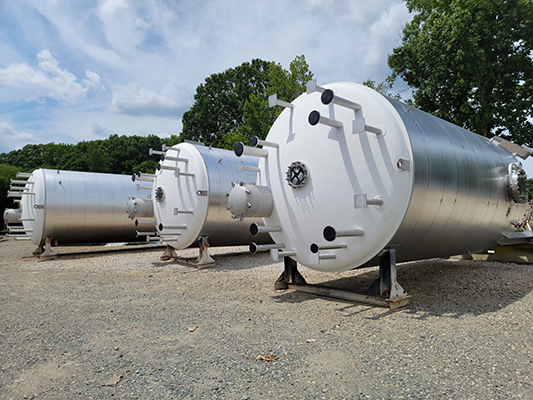
The fastest way to lose uptime is to start with the wrong material. In process manufacturing, the right material choice affects more than the initial build. Corrosion, temperature swings, pressure cycling, cleaning chemicals, and even how a unit is maintained over time can all influence how long equipment holds up and how reliably it performs.
For equipment used across chemical, petrochemical, pharmaceutical, food and beverage, and water/wastewater applications, material selection is one of the earliest decisions that can shape long-term results.
Material selection matters because the equipment itself varies widely. The company designs and fabricates heat exchangers, reactors, columns and towers, pressure vessels, and storage tanks for a broad mix of processing environments. Different services place different demands on the metal, so choosing the right material is never a box-checking exercise. It is part of building equipment that performs the way it should in the real world. Material selection is a decision that directly impacts durability, safety, and lifecycle cost, whether you’re building a pressure vessel, heat exchanger, reactor, column, or storage tank.
Why Materials Matter in Real-World Operations:
Reduce corrosion risk and extend service life
Maintain product integrity and reduce contamination concerns
Handle pressure, temperature, and cycling without premature wear
Support inspection, cleaning, and maintenance plans without surprises
Material selection is especially critical when equipment is expected to run continuously, handle aggressive chemistry, or operate in environments where a shutdown is expensive.
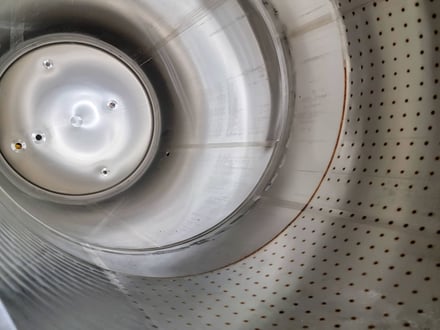
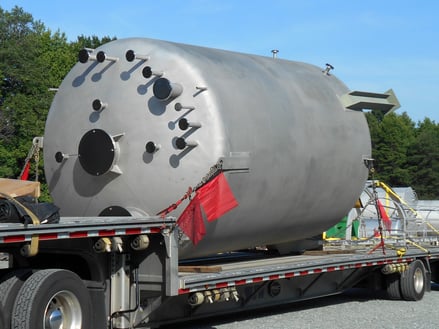
What Are Practical Applications?
For some applications, carbon steel is the practical fit.
In others, stainless steel becomes the better answer when cleanliness, corrosion resistance, or operating conditions demand more. Bendel’s listed material capabilities include carbon steel; austenitic stainless grades such as 304, 310, 316L, 317L, 321, and 347; super austenitic alloys including Alloy 20, 904L, and AL6XN; duplex grades such as 2205 and 2507; Hastelloy grades including C22, C276, and C2000; and other nickel alloys such as Nickel 200/201 and Monel 400.
Why Does That Range Matter?
That range matters because different equipment types face different process realities. Bendel’s heat exchangers are built to TEMA and ASME requirements, with materials expertise noted in stainless steel, carbon steel, nickel alloy, and duplex. Its reactors, columns and towers, and pressure vessels are likewise offered across stainless, carbon steel, nickel alloy, and duplex configurations, depending on application requirements.
What Does Material Performance Depend On?
Material performance also depends on how the equipment is fabricated and verified. Long-term reliability is not just about specifying the right alloy on paper. It also comes from confirming the material and controlling fabrication quality throughout the build. Bendel’s in-house capabilities include liquid penetrant, magnetic particle, hardness testing, PMI with XRF analysis, hydro testing, local stress relieving, and detailed inspection of existing units.
What is the Importance:
That is especially important in process manufacturing, where conditions can shift quickly from routine to demanding. Pressure, temperature, cycling, product chemistry, and cleaning requirements all affect whether a material will hold up over time.
Bendel’s engineering and design stack includes COMPRESS for pressure vessels, reactors, and shell-and-tube exchangers, HTRI for thermal analysis, and AME Tank for above-ground API tank design and detailing, helping align design decisions with application needs early in the project.
What is the Overall Goal?
The bigger point is simple: material selection should support the process, not just the purchase order.
When the material is matched correctly to the service, equipment is better positioned to deliver reliable operation, longer service life, and fewer downstream headaches. That is true whether the project calls for a carbon steel vessel, a stainless exchanger, a duplex column, or a more specialized alloy solution.
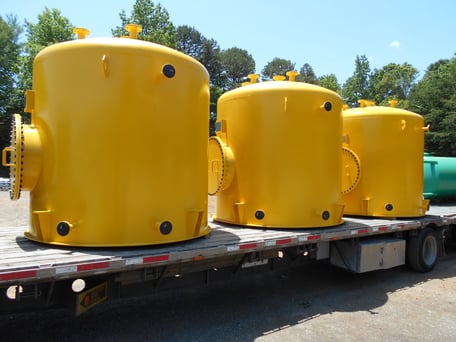
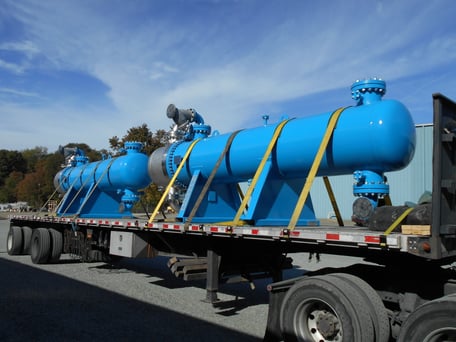
Material Selection that Drives Durability
Matching Alloys to the Process:
Different industries bring different challenges. Chemical and petrochemical processing may demand corrosion resistance. Food and beverage applications may prioritize corrosion resistance, cleanability, and product contact requirements. Water and wastewater can mean unique corrosion profiles.
Oil, gas and refining often involve higher pressures, temperatures, or sour service considerations. Bendel supports a wide range of industries and applications, so our teams are used to aligning the material choice to the process conditions, not just what was used last time.
The Three Pillars: Carbon Steel, Stainless Steel, and Nickel Alloys
Carbon steel: A practical choice for many services where corrosion exposure is controlled and strength and cost balance matter. Carbon steel is used in automotive and manufacturing industries including construction and energy.
Stainless steels (304, 316L, and other grades): Often selected for corrosion resistance, cleanliness, and long-term durability across many process environments. Stainless steel can be used in pharmaceutical, personal care, and food and beverage industries.
Nickel alloys (including Hastelloy and other nickel-based options): Used when the process demands higher resistance to aggressive chemistries and harsh operating conditions. Nickel alloys are commonly used in aerospace, chemical processing, and oil & gas.
These are neither the “best” or “worst” materials. They’re tools. The right choice depends on your process, operating conditions, and expectations for service life.
What Does Durability Mean for Materials?
Durability is how it’s verified, fabricated, and inspected.
Depending on the application, Bendel can support materials assurance through:
Positive Material Identification (PMI) to verify alloy chemistry
In-house NDE options and inspection planning
Hydrotesting where applicable
Fabrication and documentation practices aligned to ASME and TEMA expectations for the equipment type.
This is where material selection becomes more than a spec line. It becomes a
repeatable process that you can trust and prove.
 .
. 
What to Share with Your Fabricator to Get Material Results?
Process media and any known corrosives or contaminants:
Operating and design temperatures and pressures
Cleaning method and cleaning chemistry
Desired service life and inspection intervals
Even when you’re not sure, sharing what you do know allows the engineering conversation to start in the right place.
The Bendel Approach:
At Bendel, material selection is part of building process equipment for long-term performance. With experience across multiple equipment types, a broad material range, and in-house quality and inspection capabilities, the goal is not just to fabricate the equipment — it is to help ensure the finished product is built for the demands of the application.
Selection based on durability is about choosing the right fit for the process, then backing it up with fabrication quality and verification practices that support long-term performance. If you’re planning a new build, replacement, or upgrade and want a second set of eyes on material options, Bendel can help you align durability, compliance, and lifecycle value from the start.
Bendel's engineering team can help you evaluate your options and develop a specification that performs — from first weld to final inspection.

Heat exchangers offer a reliable method of transferring heat between liquids and gases, without direct contact. Here we explain the science behind...

Pressure vessels are primarily used to store and transmit liquids, vapors and gases under pressure. Within the vessel, these substances exert...
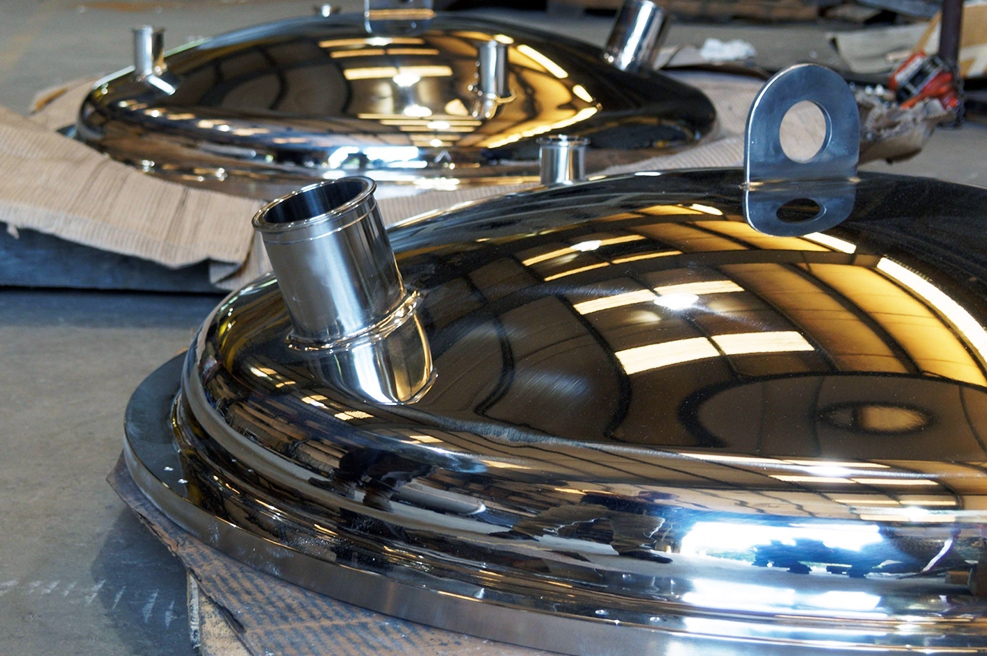
From Ladders and Platforms, to Jackets and Coils, to Attachments and Weldments, we make sure you're aware of all options —and how selections impact...